

Fire Resistant Roofing
Protect your home with a Class A fire-rated metal roofing system* — built to withstand embers, wind, and wildfire. Lifetime durability. Zero compromise.
Fire-Resistant Roofing in British Columbia:
The Ultimate Guide to Class A Protection
Wildfire seasons in Ontario are becoming increasingly intense, making it crucial for homeowners to choose a fire-resistant roof. This comprehensive guide explains why a Class A fire-rated roof (the highest fire resistance level) is so essential, compares common roofing materials, and highlights the features and benefits of Interlock® Metal Roofing – a Class A fire-rated system available across Ontario. From Ottawa to Niagara Falls, Muskoka to Windsor, we'll cover everything you need to know about "fire roofing" and how it can protect your home.
Why Fire-Resistant Roofing Matters in Ontario.
Ontario’s varied environments – from the thickly wooded Canadian Shield in the north, to farming regions, cottage country, and the suburban-forest edge of Southern Ontario – are increasingly vulnerable to wildfires. While we often associate major fires with Western Canada, Southern Ontario has also faced escalating fire risk in recent decades due to hotter summers, prolonged droughts, and expanding communities at the edge of forests.
Recent years have shown how quickly conditions can change. In 2023, Ontario experienced one of its worst wildfire seasons in history, with more than 700,000 hectares burned across the province. Smoke from fires in Northern Ontario and Québec blanketed Southern Ontario for days, triggering air quality warnings and reminding millions of residents that wildfires aren’t just a northern or western problem—they affect us directly.
Communities in cottage country, Muskoka, Haliburton, and areas bordering Algonquin Park are particularly exposed, but even suburban areas closer to Toronto, Hamilton, and Ottawa feel the impacts through evacuation advisories, road closures, and hazardous air. With climate projections showing hotter, drier summers ahead, experts warn that the wildfire seasons of 2017, 2018, 2021, and 2023 may represent the “new normal” for Ontario.
Ontario Wildfire Trends (2015–2023): The 2023 season set a new provincial record with over 700,000 hectares burned—nearly double the previous highs—demonstrating that wildfire risk is no longer confined to remote northern regions but increasingly affects Southern Ontario residents.
This escalating wildfire risk is not limited to the far north. Even typically wetter regions of Ontario—such as Muskoka, Haliburton, and the Kawarthas—have faced severe droughts and dangerous interface fires in recent years. Homeowners in cottage country, rural farming communities, and even suburban edges around Ottawa, Toronto, and Hamilton are becoming more aware of wildfire hazards. Wind-driven embers can travel kilometres from a fire and land on rooftops far from the flames. These embers are the number one cause of homes igniting during wildfires, as they collect on roofs or in gutters and spark flammable materials. The roof is often the most vulnerable part of a house: “Sparks and embers from a wildfire can travel long distances and quickly ignite combustible roofing materials or dry debris.”
Ontario’s devastating 2023 wildfire season—one of the worst on record—proved how quickly fires can threaten communities. Smoke forced widespread air-quality warnings across Southern Ontario, and towns on the urban–wildland edge faced heightened risk. Studies have shown that homes built with fire-resistant construction stood a much better chance of surviving.
Embers and Roofing: During a wildfire, embers act like glowing snowflakes, landing on rooftops, in valleys, and in gutter crevices. If your roof covering is combustible (such as old cedar shakes or traditional asphalt shingles) or if dry leaves and pine needles have accumulated, these embers can ignite them in seconds. Once the roof catches, the entire home is at risk. Roof ignition remains the leading cause of structural loss during wildfires—making a fire-resistant roof not just a precaution but a critical safeguard for Ontario homeowners.
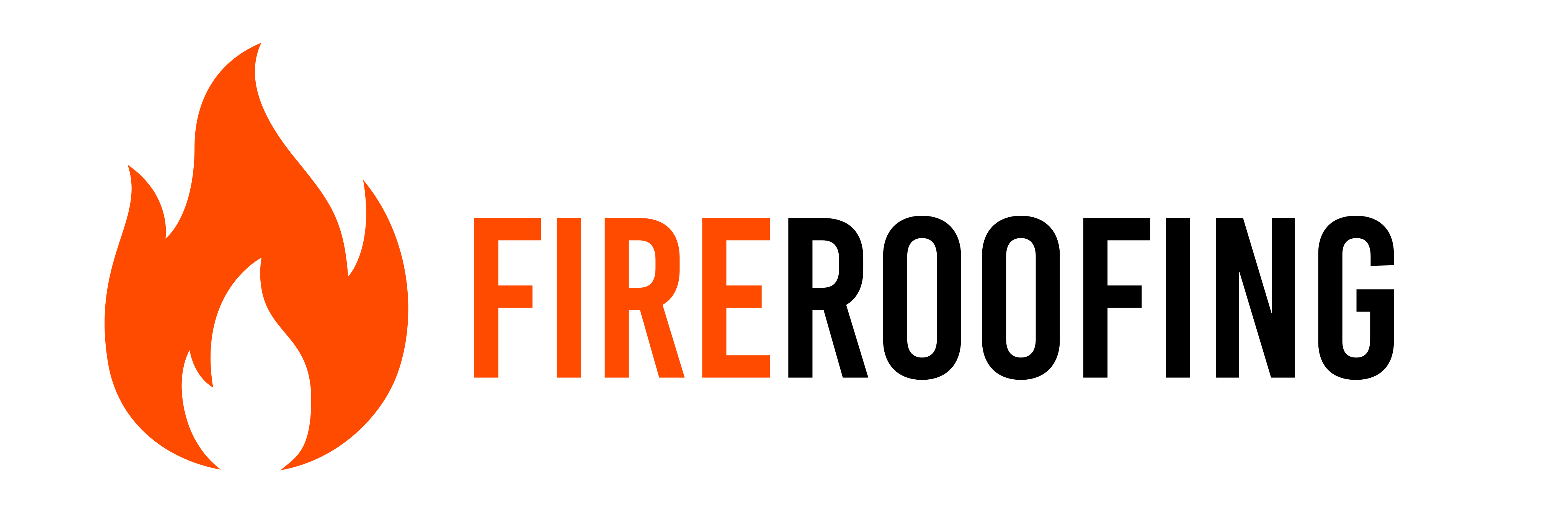
Wildfires vs. Roofing Materials: Sadly, many homes lost in recent Ontario and Québec fires had traditional combustible roofs that couldn’t withstand ember showers. By contrast, homes with non-combustible roofs, such as metal roofing, have been shown to endure where others don’t. In real-world fire events, properties with metal roofs have often remained standing while neighbours’ homes were destroyed—because the metal resists ignition from hours of falling embers. These cases underscore a critical truth: the type of roof you choose can mean the difference between a close call and the total loss of your home.
Understanding Roofing Fire Ratings (Class A, B, C)
CLASS A
Highest fire resistance.
Roofs can withstand severe exposure to fire. In testing, Class A assemblies must endure a large burning brand (a 12 x 12-inch, 2,000-gram wood block) without the roof catching fire. They must also resist an intermittent flame for at least 15 cycles and have a flame spread of no more than 6 feet. In practice, this means Class A roofs can survive direct flame contact for an extended period (often 2–4 hours) before igniting. Class A materials are non-combustible or highly fire-retardant, making them the recommended choice in wildfire-prone areas.
CLASS B
Moderate fire resistance.
Roofs can handle moderate exposure. They are tested with a medium-sized burning brand (6 inch, 500 gram) and must resist flame spread up to 8 feet. Class B roofs are required to withstand at least 60 minutes of fire exposure before ignition. Many pressure-treated wood shakes fall into Class B (the treatment gives some fire retardancy). However, Class B offers only mid-level protection – acceptable in areas with lower fire risk, but not ideal for regions prone to wildfires.
CLASS C
Basic fire resistance.
Roofs only withstand light exposure to fire. Testing involves a small burning brand (1 ½ inches, ~9 grams) and flame spread of up to 13 feet is allowed. Class C materials need to last only 20 minutes before igniting in the fire test. This category includes untreated wood shakes/shingles, plywood, and other easily ignitable materials. Class C (or unrated) roofs are not recommended in any area where wildfires or external fires are a concern.
A concrete roof tile undergoing a Class A fire test, where a large burning brand is placed on the roof sample. Class A roofs must prevent flame spread beyond 6 ft and resist ignition even under severe fire exposure.
A Class A roof offers the most incredible peace of mind – it's designed to stop flames from spreading on the roof and to resist penetration from burning embers. Many regions (especially wildfire interface areas) now require Class A roofing for new construction or roof replacements. Even where not mandated, upgrading to Class A is strongly advised by fire safety experts. As FireSmart Canada emphasizes, Class A materials are recommended whenever possible, and homeowners should avoid unrated or wood shake roofs in fire-prone areas.
Comparing Roofing Materials: Fire Safety Pros and Cons
When selecting a roof, homeowners must consider both fire resistance and other factors, such as durability, weight, and cost. Below we compare the primary roofing materials – wood shakes, asphalt shingles, metal roofing, clay/concrete tiles, slate, and synthetic shingles – with an emphasis on fire performance (Class A/B/C rating) as well as overall pros and cons:
Wood Shingles/Shakes
Fire Rating: Class C or Unrated (for untreated cedar) – Lowest fire resistance. Dry wood roofing is highly flammable and can ignite quickly from wind-blown embers or sparks. The rough texture and gaps between shakes can trap embers, providing more opportunities for them to start a fire. Even pressure-treated wood shakes (often initially classified as Class B) lose their fire retardant properties over time and remain vulnerable in extreme fire conditions. Pros: Wood shingles have a natural, rustic appearance and insulating qualities. Cons: Inferior fire safety (a significant reason many municipalities discourage or ban wood roofs in high-risk zones). They also require frequent maintenance – they can rot, split, or grow moss in our wet BC climate. Their lifespan (~20–25 years at best) is relatively short, and they offer low impact resistance. Bottom line: Unless a wood shake roof is specifically treated and regularly retreated for fire resistance, it poses a significant fire hazard and is not recommended in areas prone to wildfires.
Asphalt Shingles
Fire Rating: Class A (with proper installation). Standard asphalt fibreglass shingles are commonly manufactured to achieve Class A ratings, but this often assumes they are installed with a fire-resistant underlayment or sealant for the assembly to pass the tests. Asphalt shingles have mineral granules on their surface that can help resist light embers. However, extreme heat can still cause asphalt to melt or even ignite if flames are in direct contact. Flying embers can ignite debris on an asphalt roof, or, if shingles are old and curling, embers may penetrate those gaps.
Pros: Asphalt shingles are the most affordable and common roofing material. They are relatively easy to install, come in many styles, and a new fibreglass-based roof does provide decent fire resistance (Class A) initially. Cons: Asphalt is still an oil-based product – it's not truly non-combustible, so in a prolonged fire exposure (for example, a structure fire from the inside or a heavy ember shower outside), it can fail. Moreover, asphalt roofs have a limited lifespan (~15–30 years) and tend to degrade under the effects of UV radiation and weather. As shingles age, their fire performance can also degrade (cracked or curled shingles create openings for fire). Asphalt roofs also require periodic maintenance (replacing missing shingles, etc.) and will need replacement far sooner than tile, metal, or slate roofs.
Metal Roofing (Steel/Aluminum)
Fire Rating: Class A – Highest fire resistance. Metal panels or shingles are non-combustible, meaning they do not burn or support flame spread. A metal roof will not ignite from embers or direct flame contact; it also blocks fire from reaching the combustible structure underneath. In wildfire scenarios, metal roofing has proven to perform exceptionally – it can withstand sustained ember showers and radiant heat without catching fire. Pros: Aside from top-tier fire protection, metal roofs are highly durable and long-lived, with a lifespan of 50+ years or more (Interlock's aluminum roofs come with a Lifetime warranty). They shed rain and snow easily (suitable for BC's wet winters) and are lightweight (reducing structural strain). Modern metal roofing can be made to resemble shingles, slate or shakes, offering aesthetic versatility. Metal is also environmentally friendly – Interlock's aluminum roofing, for example, is made from up to 95% recycled material – and is fully recyclable at the end of its life. Metal roofs are low maintenance (they won't rot, warp, or crack).
Additionally, they're often energy-efficient: reflective coatings on metal can reduce solar heat absorption, keeping homes cooler in the summer. There's even an added safety bonus: metal is conductive but not flammable, so it can safely dissipate lightning strikes (critical in thunderstorms) without fire risk. Cons: The main drawbacks are the higher upfront cost compared to asphalt and the requirement for professional installation. Some homeowners worry about noise (rain on metal) or potential for dents (from large hail), but quality metal roofs are designed with solid sheathing and coatings to dampen noise and resist impacts. Overall, for fire-prone areas, the "cons" of metal are minor compared to the critical benefit of protecting your home from fire.
Clay or Concrete Tile
Fire Rating: Class A (inherent). Clay tiles and concrete tiles are made of non-combustible materials (ceramic or cement), so the tiles themselves will not burn and can withstand high temperatures. This makes them a popular Class A option, historically used in many fire-prone regions (think of Mediterranean or Spanish tile roofs). Pros: Tiles have a long lifespan (50+ years easily), and clay tiles can last decades longer with proper care. They offer a distinctive architectural look and are very effective against fire on the surface. They also insulate against heat well. Cons: The weight of tile roofing is significant – a tile roof can weigh 5–10 times as much as an asphalt roof. This means your house must have a structure built or reinforced to carry that load. Another concern is that while the tiles don't burn, the roof underlayment and supports (such as wooden battens and trusses) can burn. In an intense fire, if those supports ignite, the heavy tiles may collapse through the roof structure. Clay/concrete tiles must be installed correctly, including the use of fire-resistant underlayments and sealing any gaps where embers could blow under the tiles. Broken or missing tiles should be fixed promptly, as these openings can allow embers to reach the sub-roof. Maintenance involves checking for cracked tiles and ensuring that flashings and mortar are in good condition. Finally, tile can be moderately expensive (though concrete tiles are cheaper than clay or slate). In summary, a Class A tile roof provides excellent fire protection, but it's heavy and only as good as the entire assembly and upkeep.
Natural Slate
Class A (inherent). Slate is a stone, and it's completely non-combustible. A slate roof offers outstanding fire resistance and is often regarded as a premium roofing material for both its beauty and performance. Pros: Slate roofs are highly durable, with lifespans of 80–100 years or more not uncommon. They are highly fire-resistant, immune to rot and insects, and have a classic appearance (often seen on historic or high-end homes). Cons: Slate is hefty (akin to or heavier than concrete tile), requiring strong structural support. It is also one of the most expensive roofing options upfront, both in terms of material and installation costs. Installation must be done by skilled craftsmen familiar with slate. Like tile, individual slats can crack or slip over time and need occasional repair (stepping on a slate can break it, so roof access needs care). Overall, if budget and structure permit, slate provides superb fire protection and longevity, but it is usually chosen for its luxury status as much as its performance.
Synthetic or Rubber Composite Shingles
Fire Rating: Varies by product; many Class A options available. This category includes roofing made from rubber (often recycled tires) or other composites that mimic the appearance of wood shakes or slate. Advanced synthetic shingles are usually formulated with fire retardants to meet Class A standards. Pros: These products can offer the appearance of wood or slate with much improved fire resistance. They are generally lighter weight than real stone or clay, and many are quite durable (impact-resistant, with warranties of 30–50 years). Some synthetic shingles also have reflective "cool roof" versions to reduce heat absorption. They are often made from recycled materials (like rubber/plastic), so there's an eco-friendly aspect. Cons: The cost of quality synthetic roofing is on the higher side (comparable to metal or tile costs). Since products vary, one should verify the specific fire rating – not all synthetic shakes are Class A (some might be B). There is also a shorter long-term track record, as many composites are relatively new to the market (the oldest have been in use for only a few decades). If exposed to extreme heat, some plastics can deform; however, Class A-rated synthetics have been tested to ensure they will not ignite or allow flame spread under severe conditions. Overall, synthetic shingles can be an excellent fire-safe alternative to wood, achieving the coveted Class A rating while delivering a similar look, along with good longevity and lower maintenance.
| Roofing Material | Fire Resistance | Class A Fire Rating | Risk of Ignition |
|---|---|---|---|
| Interlock Metal Roofing | 🔥 Non-Combustible | ✅ Available | 🚫 Does Not Ignite |
| Asphalt Shingles | 🔥 Fire-resistant with underlayment | ❌ Varies | ⚠️ Can Catch Fire |
| Wood Shakes | ❌ Highly Flammable | ❌ No | 🔥 High Fire Risk |
| Clay Tiles | 🔥 Fire-resistant | ✅ Yes | 🚫 Low Risk |
Fire Resistance of Common Roofing Materials. Class A (green) materials like metal, slate, clay/concrete tile, asphalt shingles (fibreglass) and many synthetic composites provide the highest level of fire protection. Class B (yellow) includes treated wood shakes – better than untreated wood, but not sufficient for severe fire exposure. Class C (red) materials – such as untreated cedar shakes – offer minimal fire resistance (only ~20 minutes in a flame test). Unrated roofs (also referred to as red) should be avoided entirely in fire-risk areas.
Other Factors: Durability, Maintenance, and Cost
While fire safety is a focus of this guide, it's worth noting how these materials compare on other metrics:
Longevity
Metal, slate, and tile roofs far outlast those made of wood or asphalt. For instance, a metal or concrete tile roof can easily last 50 years or more (Interlock's aluminum roofs are designed as lifetime systems), whereas asphalt or wood roofs may need replacement after 20 years or so. Slate can even last up to 100 years of service. Synthetic composites often come with warranties of 30 to 50 years.
Maintenance
Wood roofs demand the most upkeep (cleaning debris, applying preservatives, replacing split shingles). Asphalt shingles require periodic inspection for damage or moss, but are easier to repair. Metal and slate are low-maintenance – they don't rot or degrade like organic materials. Tile roofs need occasional tile replacement and debris removal from valleys. A well-installed metal roof, in particular, may require little more than gutter cleaning and the occasional check on flashings over the course of decades of use.
Weight
On a structural level, heavy materials (such as tile and slate) may require reinforcement of the roof structure. Lighter options, such as metal, asphalt, or synthetics, can often be installed on standard roofs without requiring exceptional engineering. For example, switching from an old cedar shake roof to metal can lighten the load on your home, while switching to tile requires structural upgrades.
Cost
Upfront costs range widely. Asphalt is usually the most cost-effective option for installation; wood shakes, synthetic shingles, and basic metal shingles tend to fall in the mid-range; high-end metals (such as copper and standing seam), clay tile, and slate are at the higher end. However, consider the life-cycle cost: a longer-lasting roof, such as metal or tile, may be more economical in the long run than replacing asphalt shingles twice or three times over the same period. Additionally, a fire-resistant roof can yield insurance discounts (more on that next), offsetting some of the cost.Describe the item or answer the question so that site visitors who are interested get more information. You can emphasize this text with bullets, italics or bold, and add links.
In short, each material has its pros and cons, but when it comes to fire protection, non-combustible Class A roofs (such as metal, tile, and slate) stand out as the safest choice. Now, we'll zero in on one of the best Class A options for Ontario homeowners: Interlock's aluminum metal roofing system.
Features and Benefits of Class A Interlock Metal Roofing
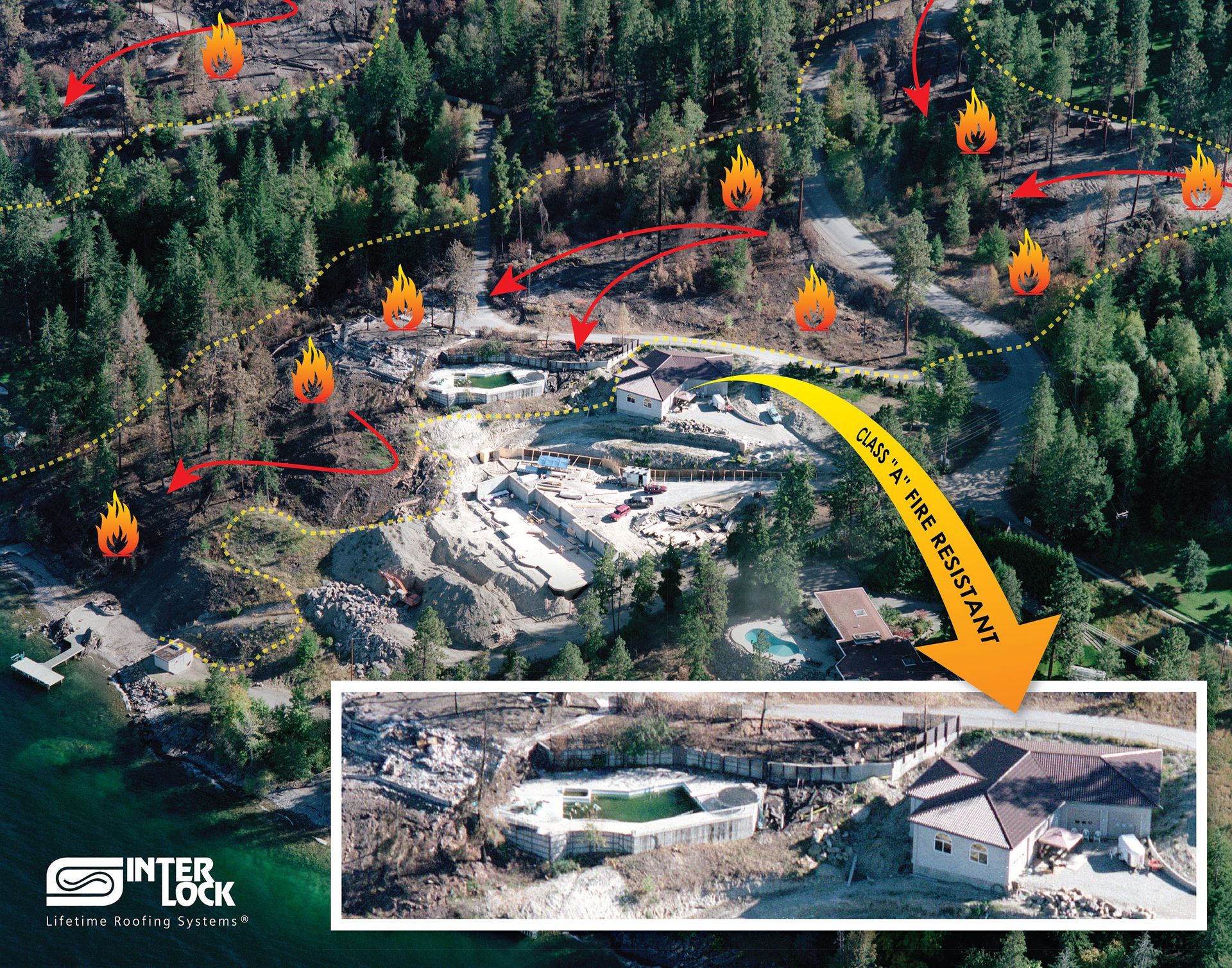
Interlock Metal Roofing is a premium aluminum roofing system that provides Class A fire-rated protection for your home. Let's explore why Interlock (available in profiles like slate, shingle, shake, tile, and standing seam) is an ideal choice for fire safety and beyond:
Class A Fire Resistance (Highest Level)
Interlock's heavy-gauge aluminum roof in combination with underlayment requirements, meets Class A fire standards, offering the maximum protection available. Unlike wood or conventional shingles, which ignite easily, aluminum roofing will not catch fire or sustain a flame. In a wildfire scenario, embers burn out on the surface of a metal roof instead of igniting it. And if a neighbouring building catches fire, a Class A metal roof can prevent flames from spreading to your home. This robust fire performance has real-life validation – as mentioned earlier, homes with metal roofs survived major fires in Kelowna and Lytton because the roofs never ignited. Choosing a Class A roof, like Interlock, gives your home a fighting chance even in the most extreme fire events.
Non-Combustible Construction (Peace of Mind)
Aluminum is a non-combustible material, meaning it cannot burn. Interlock panels interlock together (hence the name) and are installed over fire-resistant underlayments, forming a shield against fire entry. Even under intense heat, an aluminum roof won't contribute fuel to the fire – this helps confine a fire and gives firefighters more time to respond. By contrast, traditional roofs (especially those made of wood) can act as fuel, causing the fire to spread rapidly across the house. With Interlock, your roof is one less thing to worry about in the event of a fire. Many homeowners in wildfire regions report greater peace of mind sleeping at night under a non-combustible roof.
Engineered to Withstand Embers and Heat
During a wildfire, the real test of a roof is how it handles embers and radiant heat. Interlock Metal Roofing is designed explicitly with interlocking panels and tight seams that block embers from penetrating. There are no loose, flammable materials (such as wood splinters or asphalt granules) that could ignite embers. The smooth metal surface and ridge ventilation design also mean embers are more likely to slide off or burn out harmlessly. Additionally, aluminum can reflect a portion of radiant heat. In wildfire simulations, metal roofs have been shown to remain intact and protect the decking underneath from ignition, even when embers pelt down for hours. This level of ember resistance is critical, since most homes ignite from ember attack on the roof or porch rather than direct flame contact.
Lifetime Durability and Low Maintenance
Interlock roofs are built to last 50 years or more, making them a virtually lifetime roof. This durability means your fire protection also lasts a lifetime. You won't face the periodic weakening of fire resistance that occurs as wood or asphalt roofs age (e.g., no curling shingles or decaying shakes that embers could exploit). Aluminum doesn't rust, rot, or crack. It's also lightweight (much lighter than tile or even asphalt), so it doesn't stress your home's structure – an important consideration in areas that might also experience earthquakes or heavy snow. Maintenance is minimal: Interlock panels feature a high-performance coating that doesn't require painting, and their design effectively resists moss and debris buildup. In short, you get permanent protection without the headache of frequent upkeep. This also means fewer roof replacements, resulting in lower long-term costs and reduced material waste.
Energy Efficiency and Environmental Benefits
A significant benefit of Interlock's aluminum roofing is its energy-saving properties. The roofs come with a solar-reflective "Cool Roof" coating (with CRRC-rated colours) that reflects a significant portion of the sun's heat. This helps keep your attic and home cooler in BC's summer months, reducing the air conditioning load. In winter, the smooth surface sheds snow, preventing ice damming issues. Environmentally, metal roofing is a wise choice: as mentioned, Interlock uses ~95% recycled aluminum in its product, and at the end of its life, the entire roof is recyclable. That contrasts with asphalt shingles, which mostly end up in landfills every 20 years. By choosing metal, you're not only ensuring fire safety but also contributing to sustainability. (Interlock Metal Roofing is proud to have an Eco-Star designation for its recycled content and energy efficiency.)
Insurance Savings and Added Home Value
Many insurance companies recognize the superior fire resistance of a Class A metal roof and offer discounts on homeowners' insurance for those who upgrade. Homeowners have reported premium reductions – in Canada, one source notes an average of 15% savings on insurance for using fire-resistant materials in the home. It's worth checking with your provider; a Class A roof could pay back dividends over time in insurance savings. Additionally, a permanent metal roof can boost your property value. Future buyers in BC will increasingly appreciate homes that are already Wildfire FireSmart. A Class A roof, a lifetime warranty, and lower energy bills are strong selling points that set your home apart. And most importantly, investing in a fire-safe roof is an investment in protecting your family and property – it's hard to put a price on that peace of mind.
All-Climate Performance
British Columbia's climate is not just about wildfires – we also get heavy rain, windstorms, and in some regions, snow and ice. Interlock Metal Roofing is engineered for all-weather durability. It's wind-resistant (interlocking panels are often rated for winds of up to 120 km/h or more), and there are no shingles to blow off in a storm. It's waterproof, with a unique interlocking system that prevents leaks. For snowy areas (e.g., the Thompson-Nicola or Interior mountains), metal roofs shed snow quickly, thereby reducing the roof load. Fire-resistant doesn't mean compromise in other places – you get a roof that can handle everything BC's climate throws at it, from wildfires to winter storms. This resilience further underscores the long-term value of a metal roofing system.

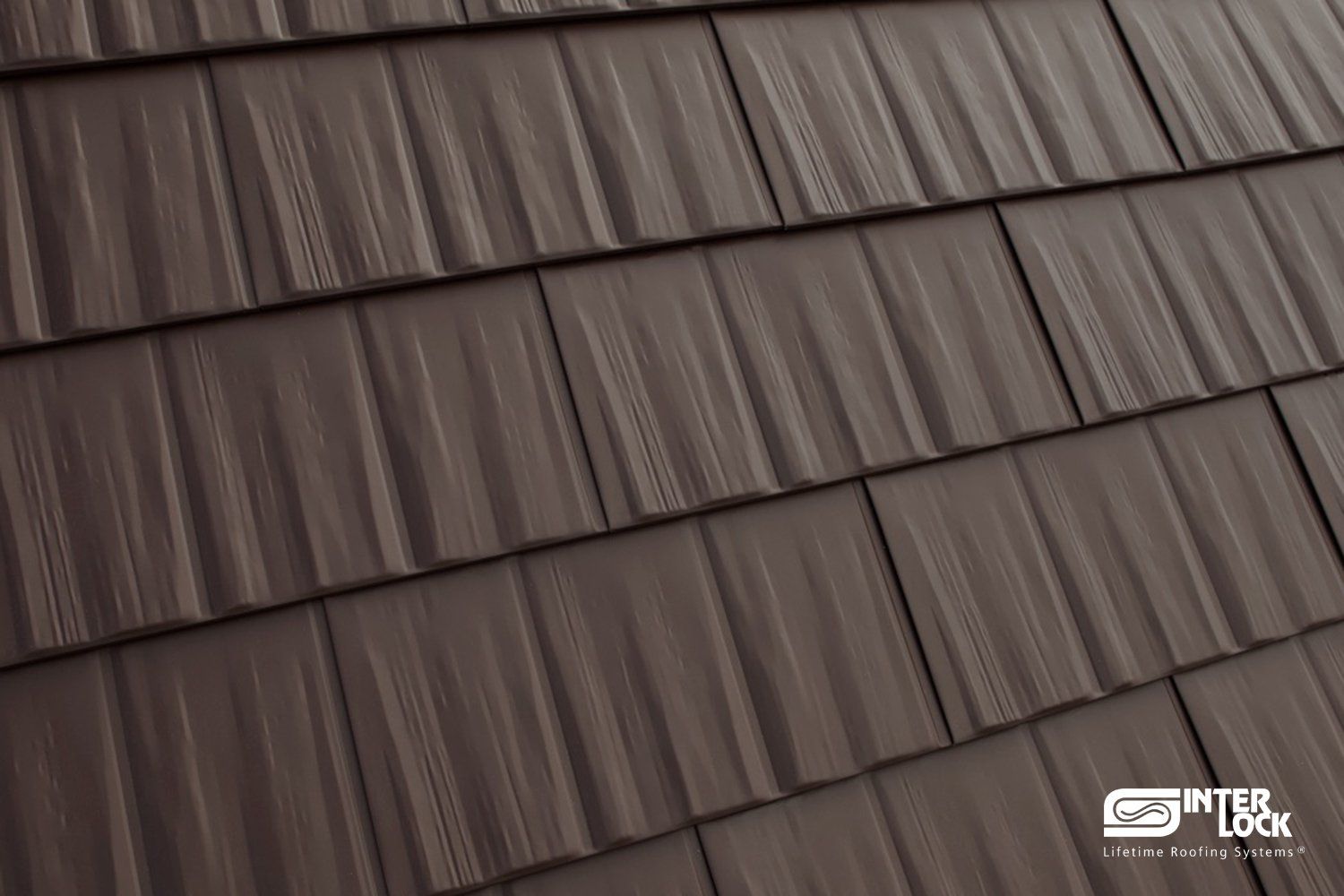
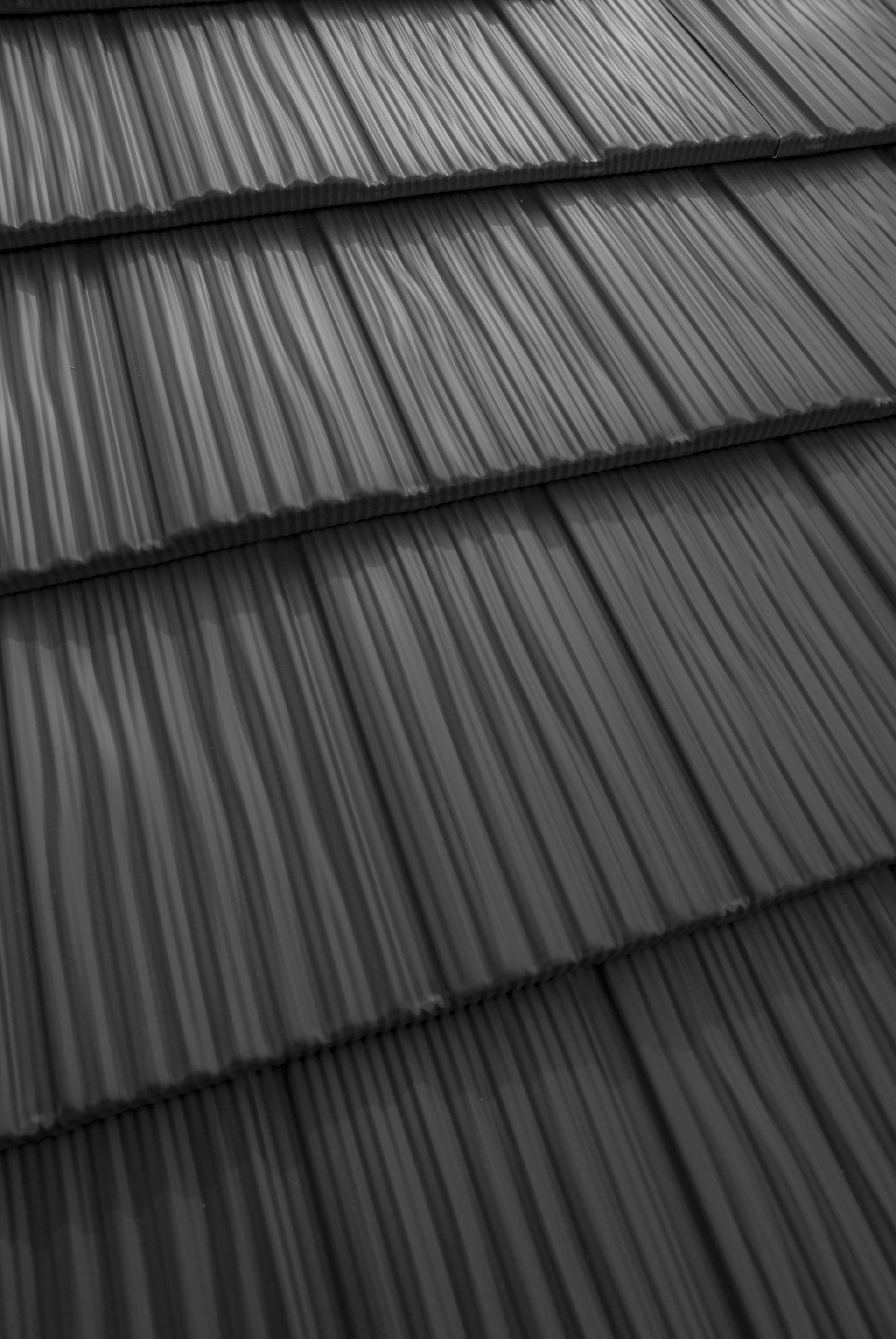
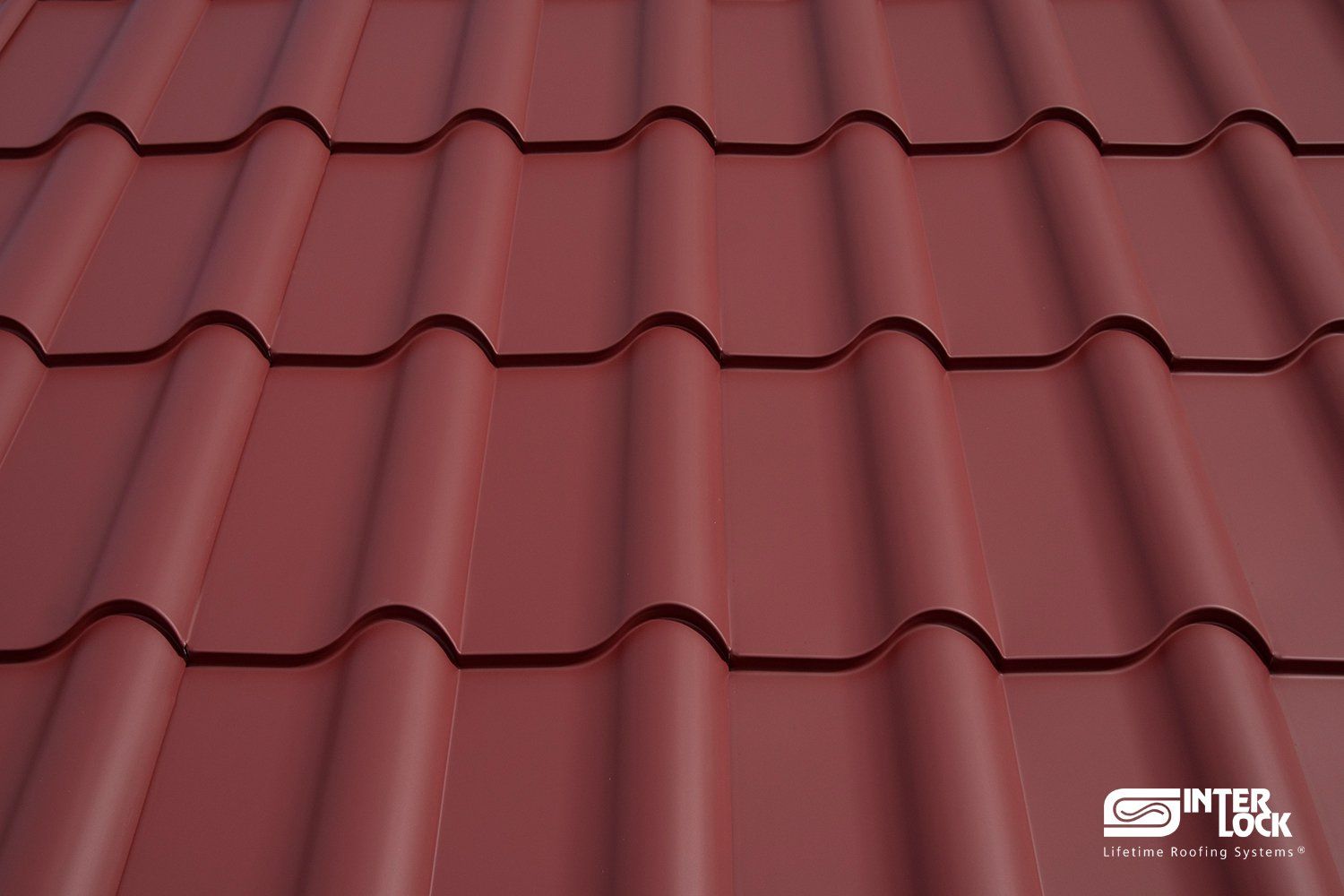
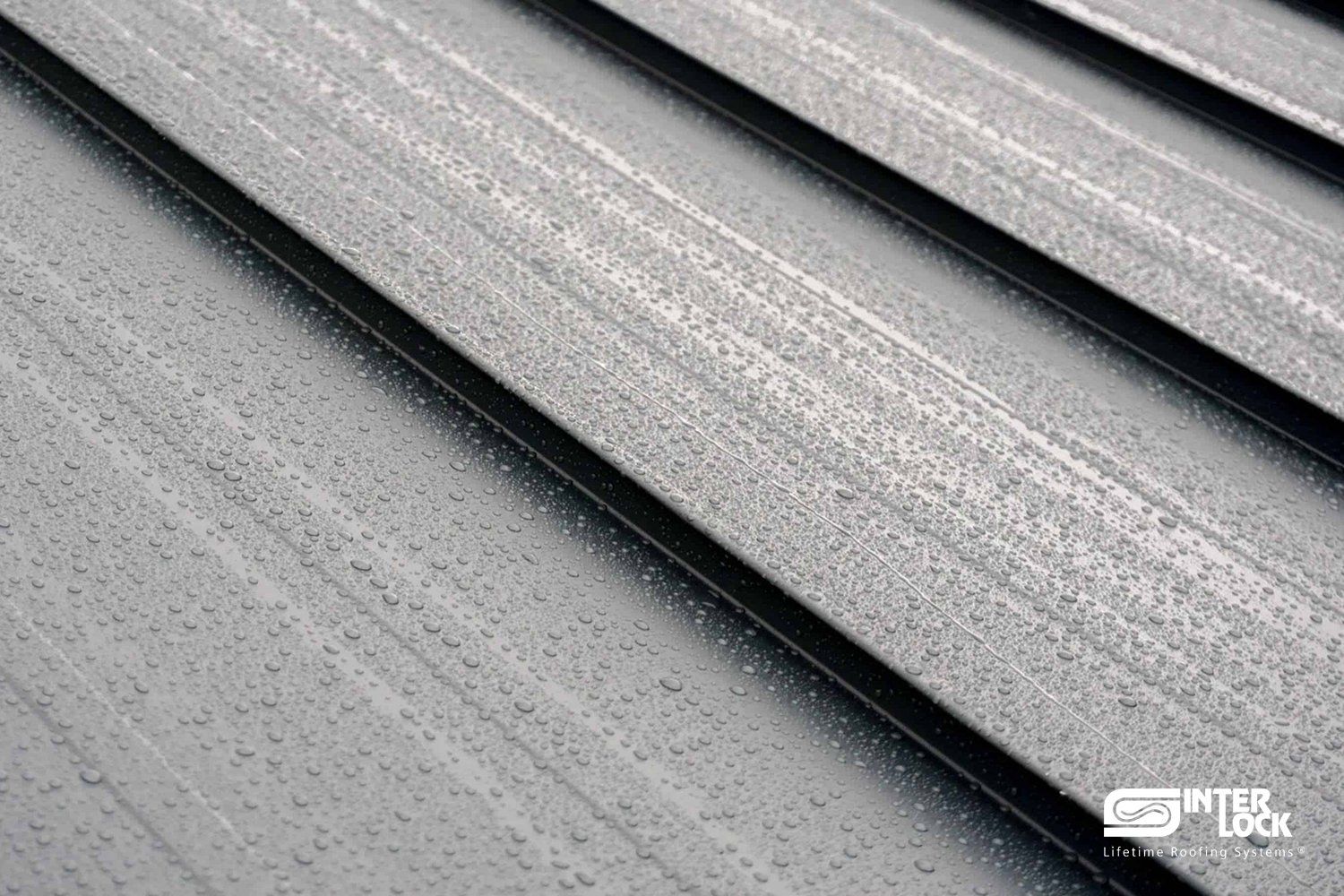
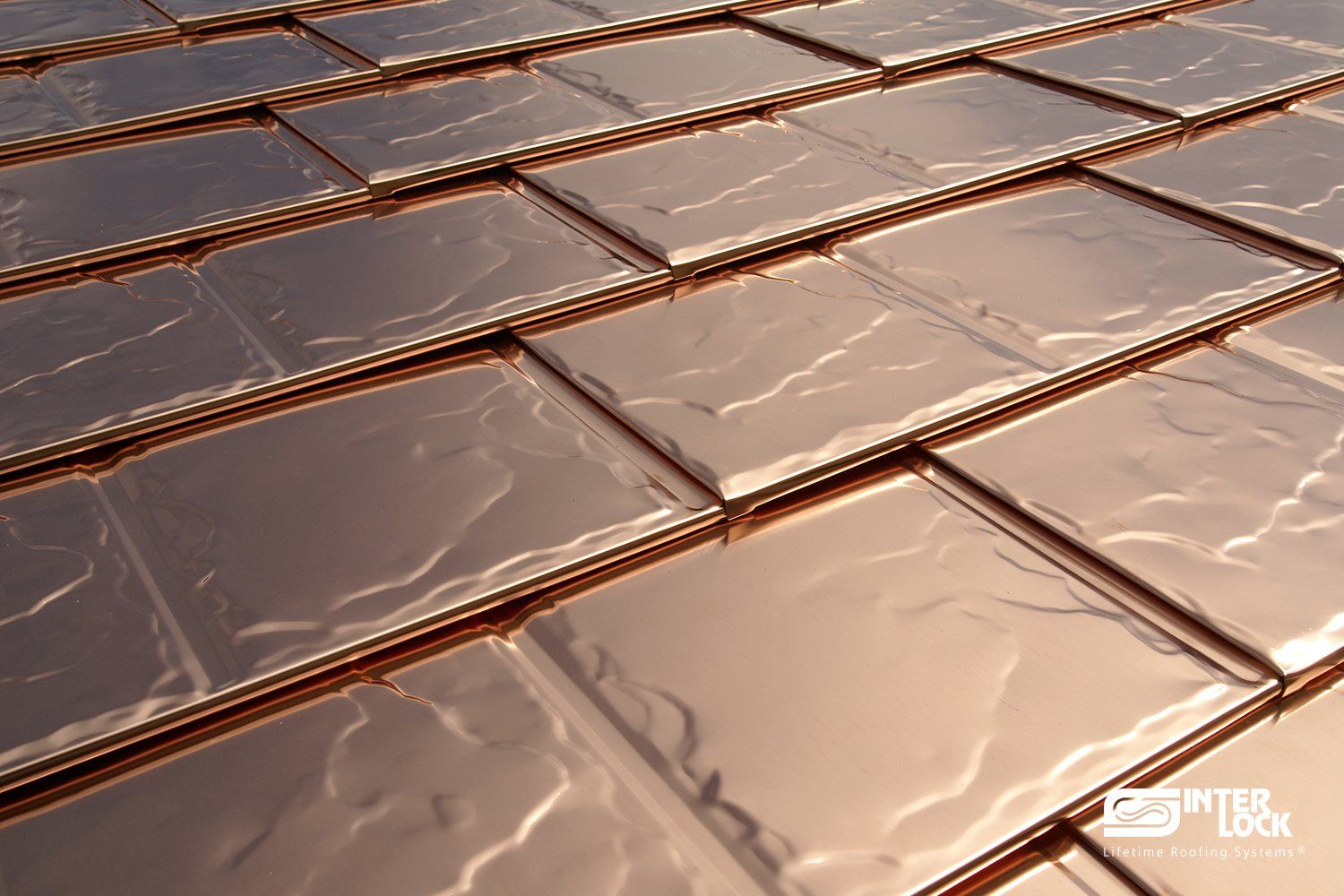
In summary, Interlock's Class A available aluminum roofing provides comprehensive protection, dramatically reducing your home's vulnerability to external fires while delivering longevity, energy efficiency, and low maintenance. It's a one-stop solution to "harden" your home against wildfire embers and enjoy a beautiful, lasting roof.
Wildfire Safety Beyond the Roof
While the roof is arguably the most critical piece of the puzzle (it’s the largest surface of your home and the first target for embers), Ontario homeowners should remember that FireSmarting the entire property is key in wildfire-prone areas. This includes paying attention to siding materials, decking, vents, and landscaping. Pairing a Class A fire-rated roof with fire-resistant siding (such as fibre-cement, stucco, brick, or metal) and installing ember-resistant vents in soffits can greatly reduce risk. Even with a fireproof roof, if gutters and roof valleys are filled with pine needles or leaves, embers can ignite that dry debris—making regular maintenance a simple but vital habit. Creating defensible space by clearing brush and coniferous shrubs at least 10 metres from the house is another proven way to lower the chance of ignition.
That said, upgrading your roof to a non-combustible Class A material is often cited as the number one improvement you can make to protect your home from wildfire. It addresses the largest ignition surface and dramatically improves your home’s survivability. In Ontario, more municipalities and safety experts are encouraging homeowners—particularly in cottage country, the Ottawa Valley, and communities on the edge of forested areas—to make ignition-resistant upgrades part of their long-term home protection strategy.
By choosing a non-combustible roof and taking practical FireSmart steps around your property, you’re not only protecting your home, but also contributing to safer, more resilient Ontario communities.
Protect Your Home with Class A Fire Roofing in Ontario
Ontario’s recent wildfire seasons have made it clear: wildfires are not just a Western Canada problem. From Northern forests to cottage country and even the suburban edges of Southern Ontario, fire risk is on the rise. In this reality, having a fire-resistant roof is not a luxury – it’s a necessity for responsible homeownership. A Class A fire-rated roof, such as Interlock Metal Roofing, provides the highest level of protection, dramatically reducing the chance your home will ignite during a wildfire or from wind-blown embers. It’s about controlling what you can—your home’s materials—while larger forces like climate-driven extreme weather grow stronger every year.
Why Ontario Homeowners Choose Interlock Metal Roofing
By choosing Interlock, you’re opting for proven safety, longevity, and peace of mind. More and more homeowners across Southern and Central Ontario—in communities like Muskoka, Haliburton, Kawartha Lakes, Ottawa Valley, and the Niagara Region—are deciding they never want to worry about their roof catching fire. A non-combustible, lifetime metal roof means you’ve taken the most important step to safeguard your family and home.
More Than Just Fire Protection
Beyond peace of mind, you’ll enjoy the added benefits of a beautiful roof that can lower energy costs, reduce maintenance, and potentially qualify for insurance savings. It’s a win-win for your home and the environment.
Ready to Upgrade?
If you’re considering switching to a Class A fire-resistant roof, Interlock Metal Roofing Ontario is here to help. With decades of experience installing aluminum roofing across the province, our team can assess your current roof and provide a free consultation on the best fire-safe solution for your home. Don’t wait until the next hot, dry summer or the next air-quality alert—strengthening your home’s first line of defence now can make all the difference.
When the next wildfire season arrives, you’ll feel secure knowing you’re protected under an Interlock Metal Roof. It’s not just about having a roof over your head—it’s about having the right roof. With the climate challenges ahead, a Class A fire-rated roof is one of the smartest investments you can make to protect what matters most.
Take action today. Contact Interlock Roofing Ontario for more information or a no-obligation quote—and ensure your next roof is built to withstand whatever the future holds.
Let’s Talk About Your Fire-Resistant Roofing Needs
Join thousands of Ontario homeowners who trust Interlock Metal Roofing for lifetime protection and peace of mind.


